Bodily Fluid Cleanup
Homes, care environments and businesses receive bodily fluid cleanup and disinfection.
See bodily fluid cleanupGet blood and bodily fluids removed from carpet, hard floors, walls, furniture or vehicles in Garden Park. The affected area is contained, cleaned and disinfected, with unsafe porous materials packaged for disposal.
Blood cleanup is the controlled removal of blood and bodily fluids, followed by cleaning, disinfection and disposal of materials that cannot be safely kept.
A blood spill may look limited to one stain, but liquid can travel through carpet, seams, grout, furniture and gaps beside a wall. Professional blood cleaning starts by finding the full affected area and protecting the surrounding areas. Trained technicians then decide which hard surfaces can be disinfected and which porous materials need removal.
An injury, workplace accident, medical event or another traumatic incident can create a need for biohazard remediation. Because blood may contain bloodborne pathogens, this work is not the same as routine home cleaning. The complete process includes protective equipment, controlled procedures and cautious disposal of waste.
Calls may be taken at any hour, while technicians arrive discreetly in unmarked vehicles. Ask what steps will limit access for nearby tenants, customers and neighbors.
A completed work record, affected-property list and images can help you move forward with repairs after explaining the loss to insurance companies.
You deserve a clear description of the cleaning scope and why certain items may have to come out. Find out how technicians established the affected area boundary prior to accepting the proposed work.
The crew should consult you about practical possessions and valued keepsakes. Materials that can be isolated without risk should not be discarded as regular debris until you have been consulted.
A household cleaning approach is not safe when blood has spread widely, soaked deeply or formed a large spill. Situations that can call for blood cleanup services include:
For property owners and managers, cleanup may need to stay private and include photos plus records identifying treated and removed materials.
When blood affects a warehouse, shop, office or shared property, access must be limited, protective gear used and the cleanup process matched to each surface.
Contamination from a severe event can extend over multiple types of surfaces. Professional cleanup can shield loved ones from the burden and potential danger of doing the work themselves.
Seat covering can let blood reach the foam, while flooring padding and slim trim openings can also hold contamination. Every affected layer needs close inspection and proper treatment.
Begin by stopping access to the blood so nobody spreads it. While you arrange cleanup, take the following steps:
Call (888) 440-9227A deep blood spill involves different work from a spot limited to the surface, so published industry guides show a wide cost range. One published span is $300 to $4,000; another is $500 to $5,000; the listed amount for small blood cleanup is $1,500 to $3,000. What you pay finally depends on the materials involved, waste generated and scope established at the property.
The figures shown are national ranges from published cost guides and are not based on an on-site visit. You learn what your property will cost after the on-site assessment and before any work begins.
Ask about cost: (888) 440-9227Blood cleanup may be covered by auto, commercial, renters or homeowners insurance when the cause meets the policy's covered-event terms. Eligibility depends on those terms, the circumstances and your deductible.
Cleanup at a business or rented property may fall to the property manager, company owner or landlord to arrange. Who pays varies with the situation, policy and lease.
Your insurance company can tell you what work records, item inventories and photos to submit. Save every receipt and wait for guidance from the adjuster before throwing away damaged items, except where keeping them poses an urgent safety risk.
Victims of violent crime can ask the North Carolina Department of Public Safety's Office of Victim Compensation Services about crime scene cleanup, which the program lists among accepted expenses. Insurance is usually checked first.
Contact your insurance company after the event and confirm whether the policy covers biohazard cleanup plus removal of contaminated building materials. Save the claim number and adjuster details.
Professional blood cleanup uses an ordered process that shields clean spaces during treatment of the affected area. Each stage is shaped by the volume of blood and every material it touched.
Cleanup technicians inspect the visible stain, nearby surfaces and possible travel paths. Prior to cleaning, the remediation process defines the work area through photographs and notes.
Barriers divide the affected work zone from unaffected rooms. The crew selects protective gear and maps a route that keeps tools and packaged waste away from clean areas.
Carpet pad, upholstery foam, unfinished wood or drywall is removed when blood has soaked too deeply for full surface disinfection.
Visible soil is removed before disinfectant is applied. The process includes nearby touched surfaces, connection points, edges and gaps, not just the most visible part of the stain.
An EPA-registered disinfectant is applied to surfaces that can be cleaned. Technicians keep the disinfected area wet as long as the product directions require.
The crew packages and labels removed material, then moves it to disposal in line with rules for that place and kind of cleanup.
Technicians first inspect for the odor source, then consider air treatment. Technicians may run HEPA filters to reduce particles as affected items are taken out.
The treated space is inspected, tools and barriers are removed safely, and you receive a record of the scope for your files or insurance claim.

Call any hour. Your blood cleanup specialist answers the phone, describes what happens next and works with you on a start time.
A visible blood mark can hide how deeply the liquid entered porous surfaces or material layers, and the blood can carry pathogens.
A traumatic incident or serious injury can make the cleaning process upsetting. You can protect your health and ease the burden by asking cleanup crews to do the work.
Professional cleanup accounts for bloodborne pathogens that include HIV, hepatitis C and hepatitis B. According to the CDC, hepatitis B can survive on a surface for at least seven days, which means dry blood must still be treated carefully.
Blood may soak through to padding beneath carpet or enter grout, unsealed wood and upholstery cushioning. A surface-only cleaning may miss contaminated materials and odor in the layers beneath.
Can you clean it yourself? For a few drops on an unbroken non-porous surface, apply an EPA-registered disinfectant for its complete labeled contact time and protect your hands with disposable gloves. Professional cleanup is needed for blood on absorbent materials such as carpeting, unfinished timber or furniture, inside walls, around sharp items, or when the extent cannot be determined.
Blood depth and surface type decide whether an item stays. Sealed hard materials often allow cleaning and disinfection. Porous items come out if full treatment is impossible.
Worker training, protective equipment, exposure control and connected practices are addressed by 29 CFR 1910.1030, the OSHA Bloodborne Pathogens Standard.
For blood cleanup, choose an EPA-registered disinfectant labeled for the specific purpose. Every labeled direction applies, especially how long the treated area must remain wet.
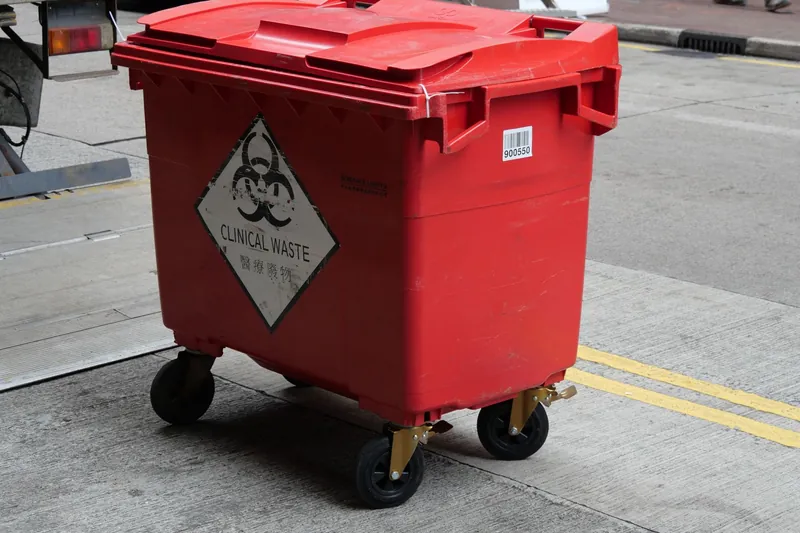
North Carolina treats soaked materials from a biohazard scene as medical waste. Rules from the state Department of Environmental Quality's Solid Waste Section control how it is packaged, stored, transported and treated, so it cannot go in household trash.
North Carolina uses a statewide medical examiner system run by the Office of the Chief Medical Examiner, with county medical examiners appointed in each county. Cleanup starts after police or the medical examiner or coroner release the scene.
A limited spill on the surface may need several hours of cleanup, but the timeframe can become one or more days if furniture, walls, carpet padding or multiple rooms are involved. A dependable schedule can only be determined after inspection.
The full blood cleanup guide covers what is cleaned or removed, odor and air quality work, and the rules that apply in North Carolina and Mecklenburg County.
Read the full blood cleanup guideContainment, entry and cleanup plans can be influenced by local housing, population and access details.
Knowing that Novant Health Matthews Medical Center is about 3.6 miles away helps households plan where to seek care before arranging scene cleanup.
With Northwood, Firestone, and university-park close by, accurate street and unit details help avoid confusion during a sensitive response.
Properties within this Charlotte neighborhood may share alleys, entries, or parking, so equipment movement should be planned around nearby residents.
During your call, ask whether cleanup is available in surrounding communities and ZIP codes.
Homes, care environments and businesses receive bodily fluid cleanup and disinfection.
See bodily fluid cleanup
Removal and disinfection of blood, body fluids and other infectious material from any property.
See biohazard cleanup
Crime scene cleaning begins after police release and covers blood, odor and the affected property.
See crime scene cleanup
Trauma scene cleanup addresses the aftermath of accidents, injuries and violent incidents.
See trauma scene cleanup
Suicide cleanup is completed privately and with care, protecting families from seeing the scene.
See suicide cleanup
Homicide cleanup of blood, tissue and contaminated materials after investigators leave.
See homicide cleanup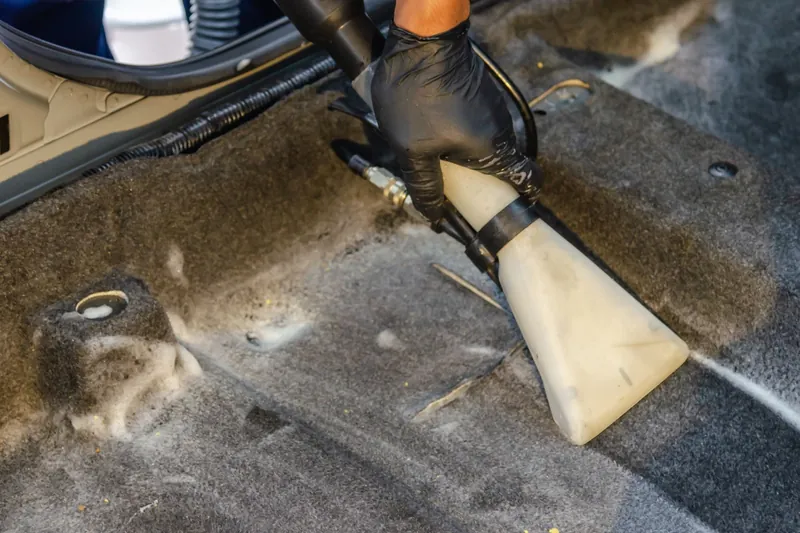
Cleanup treats biohazards on upholstery and carpeting, or removes affected materials safely when needed.
See biohazard carpet and upholstery cleaning
Medical waste removal and disposal through approved treatment facilities.
See medical waste removalThe amount of contamination and its location determine if remaining is practical. You may be able to remain in a separate, unaffected part of the property when containment is practical. When several rooms, common walkways or ventilation are involved, cleaners may ask everyone to remain out of the property during the work.
Find out how technicians identify the affected area, decide what to remove, select a disinfectant and observe its labeled contact time. Confirm the disposal preparation process, documentation you will get, the need for odor work and your responsibility for repairs after cleanup.
You should regard blood as potentially infectious since it may carry bloodborne pathogens. Looking at a blood spill cannot determine whether it contains pathogens. Protective equipment, surface cleaning ahead of disinfection, safe containment and correct waste disposal remain important after blood becomes dry.
A homeowners or renters policy may cover blood cleanup when the event that caused the damage is covered. The deductible, exclusions and documentation requirements still apply. Speak with the insurance company about coverage for biohazard remediation, and preserve photos, cleanup records, the affected-item list and your claim number.
Survival time varies according to the organism and environmental conditions. The CDC says hepatitis B can survive on surfaces for at least seven days. You should still use caution around dry blood. Avoid touching it, keep others away and use the same careful cleanup approach used for fresh blood.
Technicians check whether blood stayed on the surface or reached padding, foam, seams or framing. A cleanable surface may be treated, but deeply soaked carpet pad or upholstery foam often needs removal. The process focuses on contamination throughout the material, rather than the appearance of the obvious stain.
Crews carry out respectful, discreet blood cleanup, arrive in unmarked vehicles and take calls 24 hours a day.